Don't Wait Until Spring: 7 Signs Your House Needs Paint Before Winter Arrives
Don't Wait Until Spring: 7 Signs Your House Needs Paint Before Winter Arrives
One of the most common things we hear from homeowners is:
"I know my house needs paint eventually, but I figured it could wait another year."
Sometimes that's true.
But sometimes waiting another year turns a straightforward paint project into a much more expensive repair project.
Many homeowners think exterior paint is primarily about curb appeal. While a fresh paint job certainly makes your home look beautiful, paint serves a much more important purpose—it protects your home from moisture, UV damage, and the harsh weather conditions we experience here in Idaho and Eastern Oregon.
As we move through summer, now is the perfect time to evaluate your home's exterior and determine whether it's ready for another winter season.
Here are seven signs it may be time to repaint sooner rather than later.
1. Your Paint Color Has Noticeably Faded
Take a walk across the street and look at your home.
Does the color look dull compared to when it was first painted? Do certain sides of the house appear lighter than others?
The intense sun we experience throughout the Treasure Valley can be tough on exterior paint. Over time, UV exposure breaks down the paint's pigments, causing colors to fade and lose their richness.
While fading may seem like a cosmetic issue, it's often one of the first indicators that your paint is beginning to deteriorate.
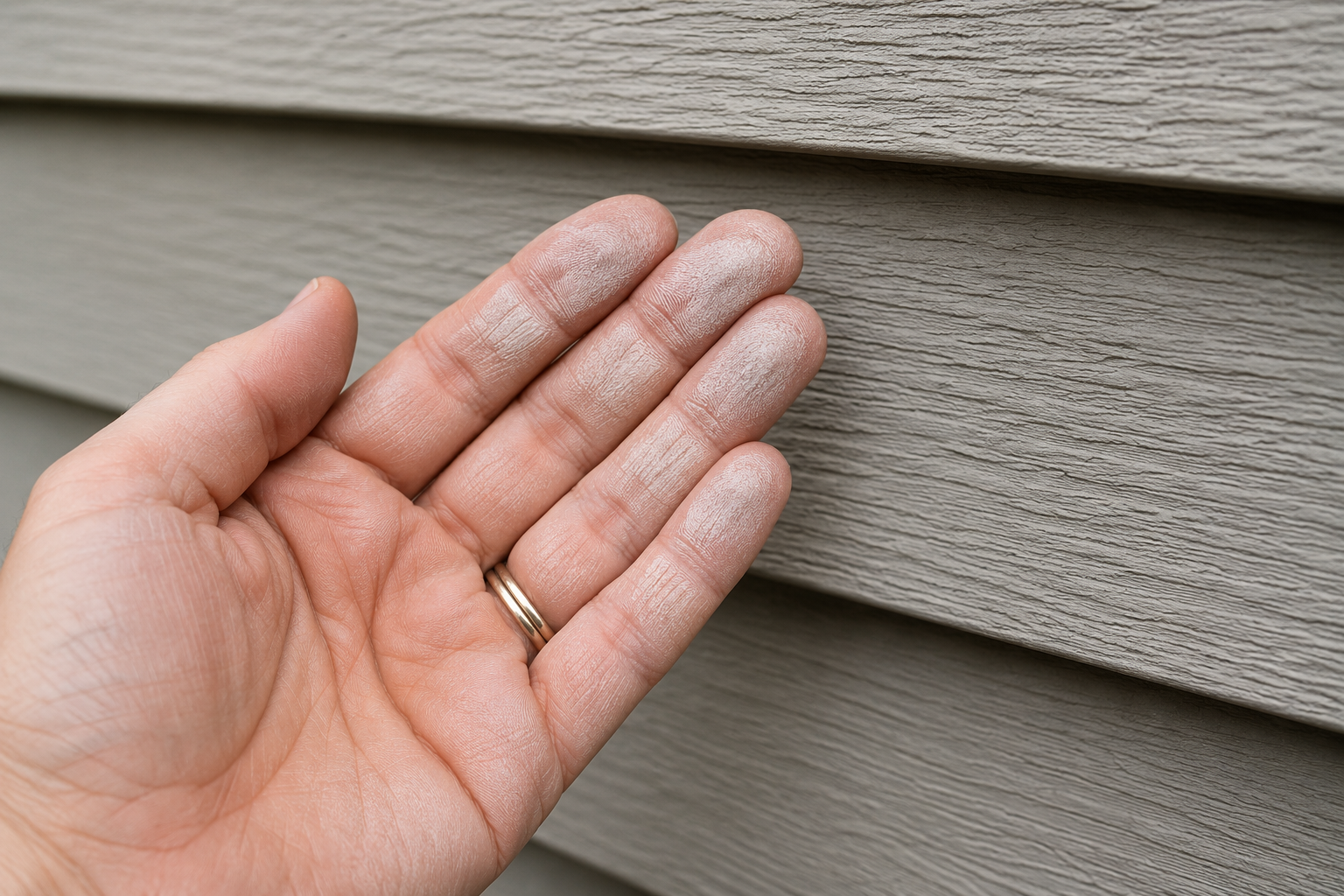
2. You Notice a Chalky Residue on the Siding
Here's a quick test.
Run your hand across your siding. If a powdery residue comes off on your fingers, your paint may be "chalking."
Chalking occurs when the paint film begins breaking down from years of sun and weather exposure.
While some chalking is normal as paint ages, excessive chalking means your home's protective coating is wearing away.
The longer it goes unaddressed, the more vulnerable your home becomes to moisture and weather damage.
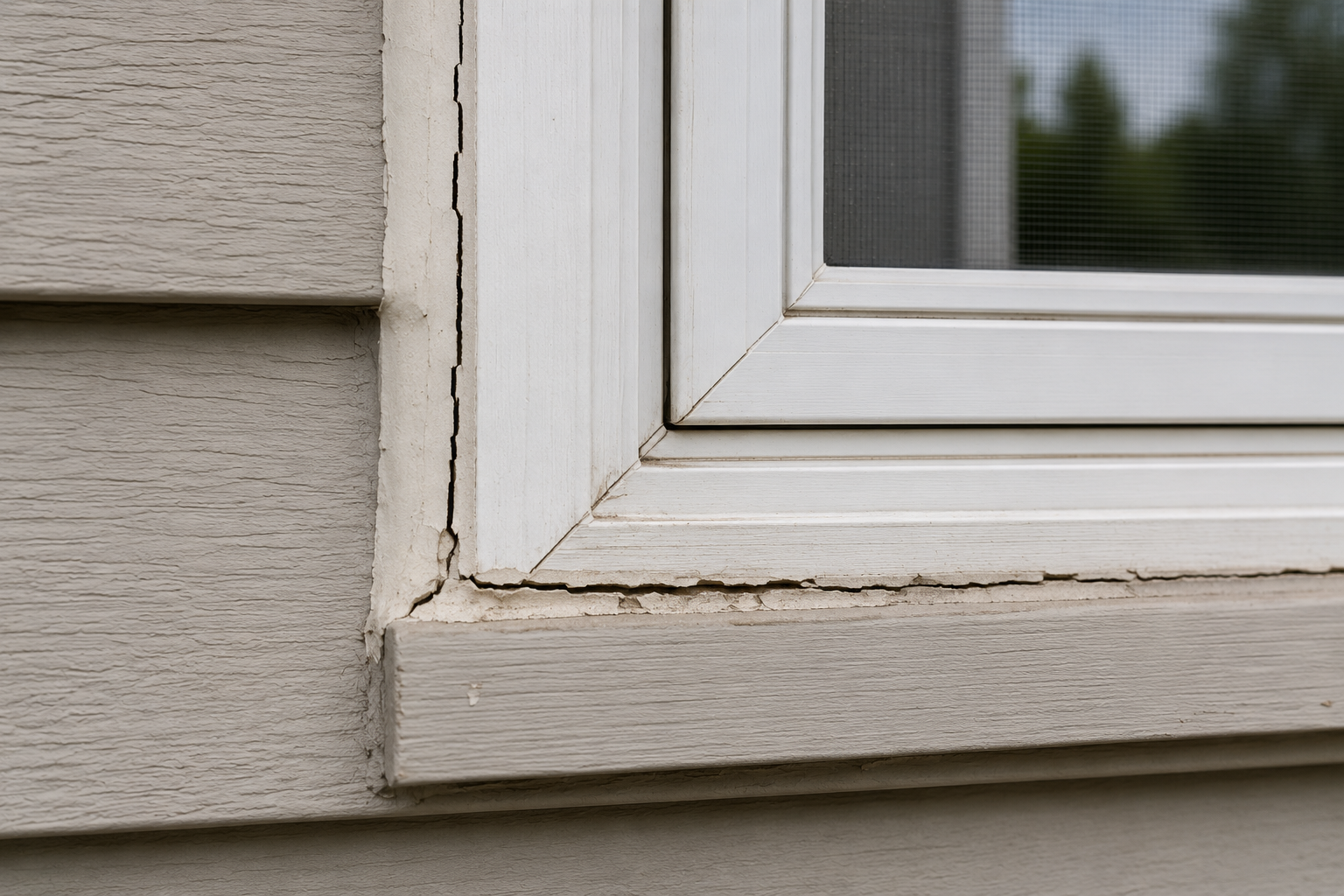
3. The Caulking Around Windows and Trim Is Cracking
Many homeowners focus on the paint itself and completely overlook the caulking.
Caulking plays a critical role in protecting your home by sealing gaps around windows, doors, trim, and siding joints.
When caulking begins to crack, separate, or pull away, water can find its way behind the exterior surfaces of your home.
Small gaps today can become costly repairs tomorrow.
A quality exterior paint project should always include careful inspection and replacement of failing caulking.
4. Paint Is Peeling, Bubbling, or Flaking
This is usually the sign that gets homeowners' attention.
When paint starts peeling, flaking, or bubbling, the protective barrier has already been compromised.
Moisture may be getting underneath the paint film, causing it to lose adhesion to the surface.
At this stage, the issue is no longer just appearance—it's protection.
The sooner peeling paint is addressed, the easier it is to prevent additional damage to the underlying materials.
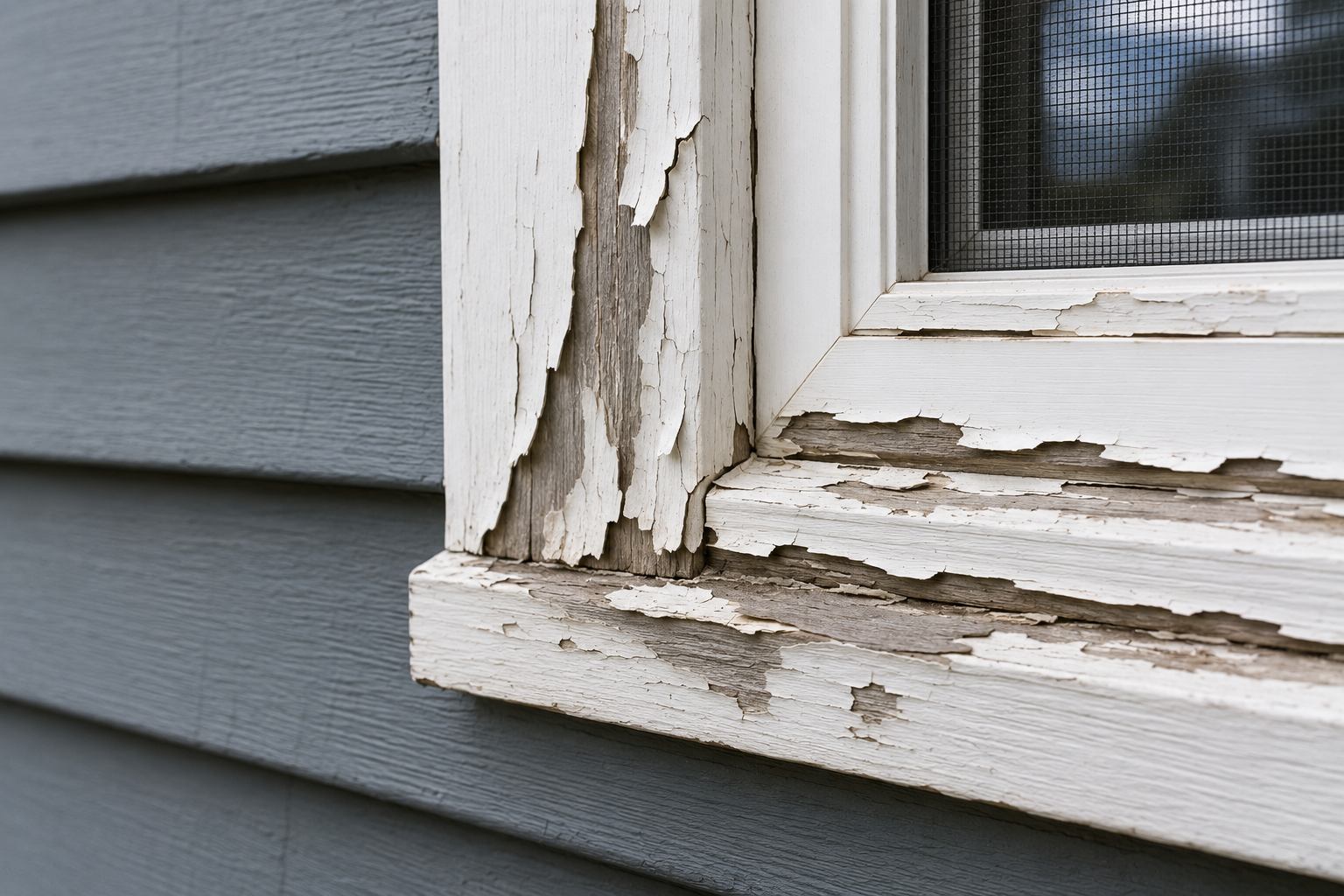
5. You Can See Bare Wood
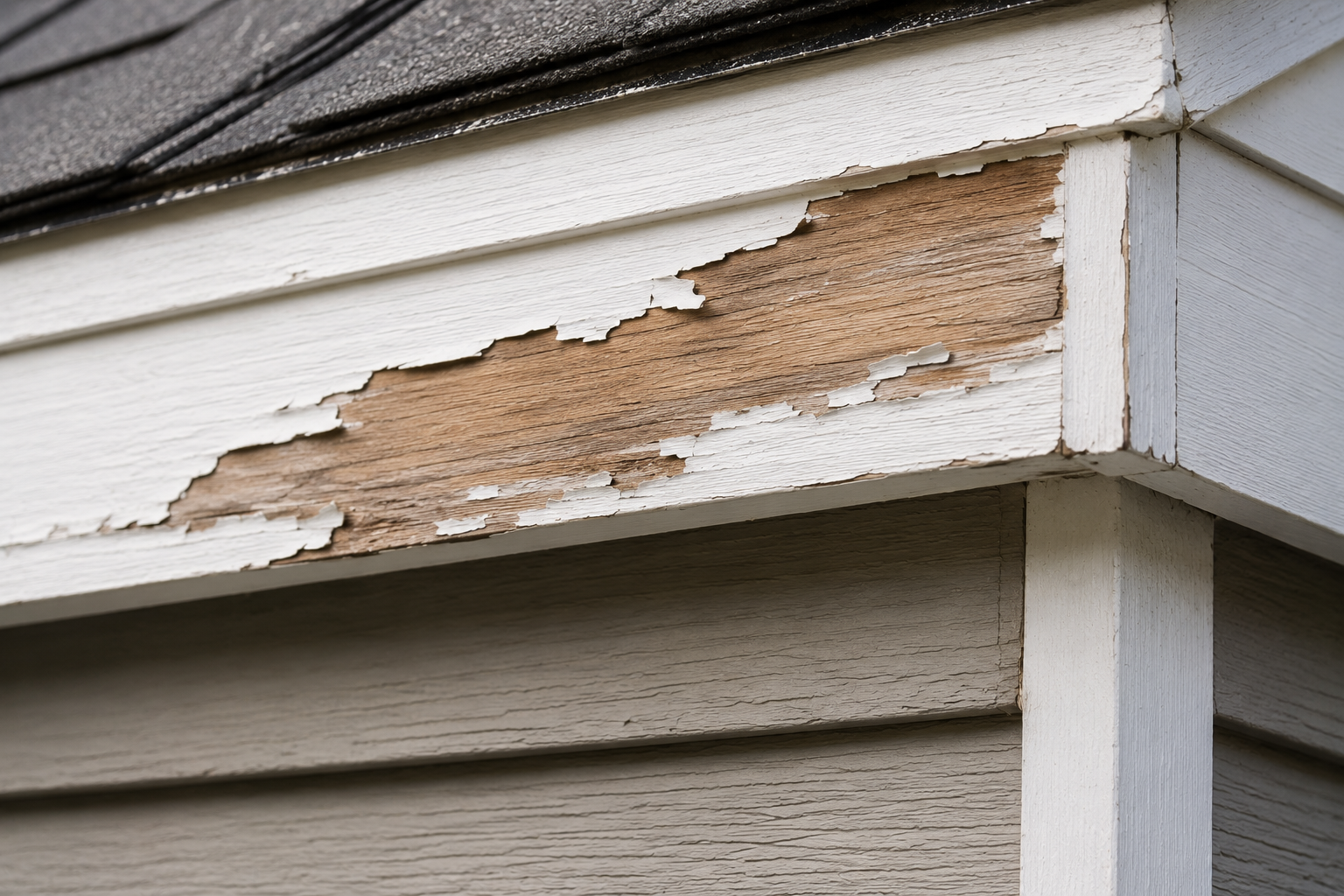
Any exposed wood should be addressed as soon as possible.
Paint acts like sunscreen for your home's exterior surfaces. When that protection wears away, wood becomes vulnerable to:
Moisture intrusion
Rot
Insect damage
UV deterioration
What starts as a small area of exposed wood can quickly become a much larger repair if left untreated through another Idaho winter.
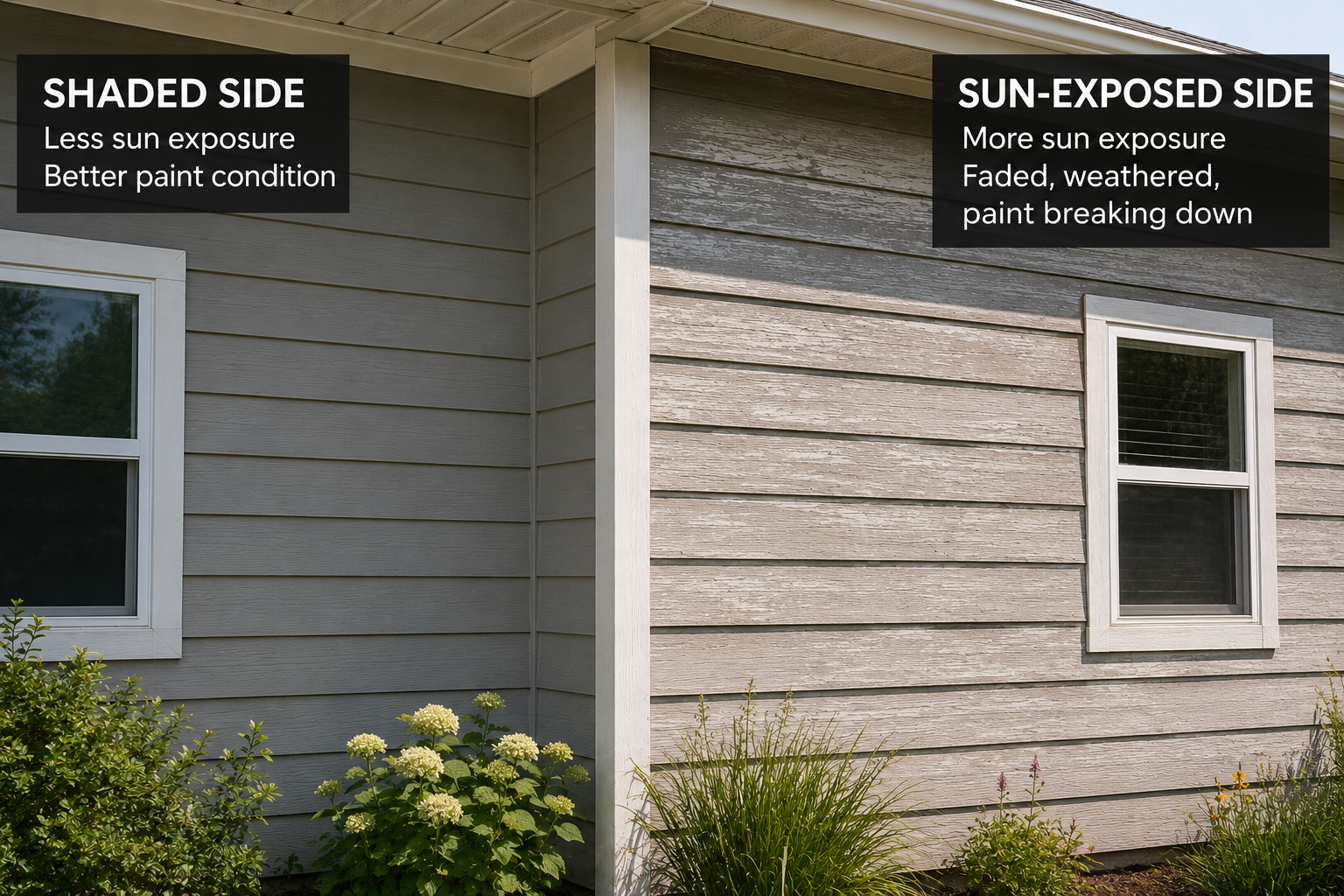
6. The South and West Sides of Your Home Look Worse Than the Rest
Not all sides of your home age equally.
South-facing and west-facing surfaces receive the most direct sunlight throughout the day, causing paint to deteriorate faster than areas with more shade.
It's common for homeowners to notice:
More fading
More chalking
Earlier paint failure
Greater wear on caulking
If one side of your home is showing significant wear while the others still look good, don't ignore it.
Addressing problem areas early can often help you avoid larger issues down the road.
7. It's Been More Than 8–10 Years Since Your Last Exterior Paint Job
Even if your home still looks fairly good from the curb, age matters.
The lifespan of an exterior paint system depends on several factors, including:
Surface type
Paint quality
Weather exposure
Previous preparation
Sun exposure
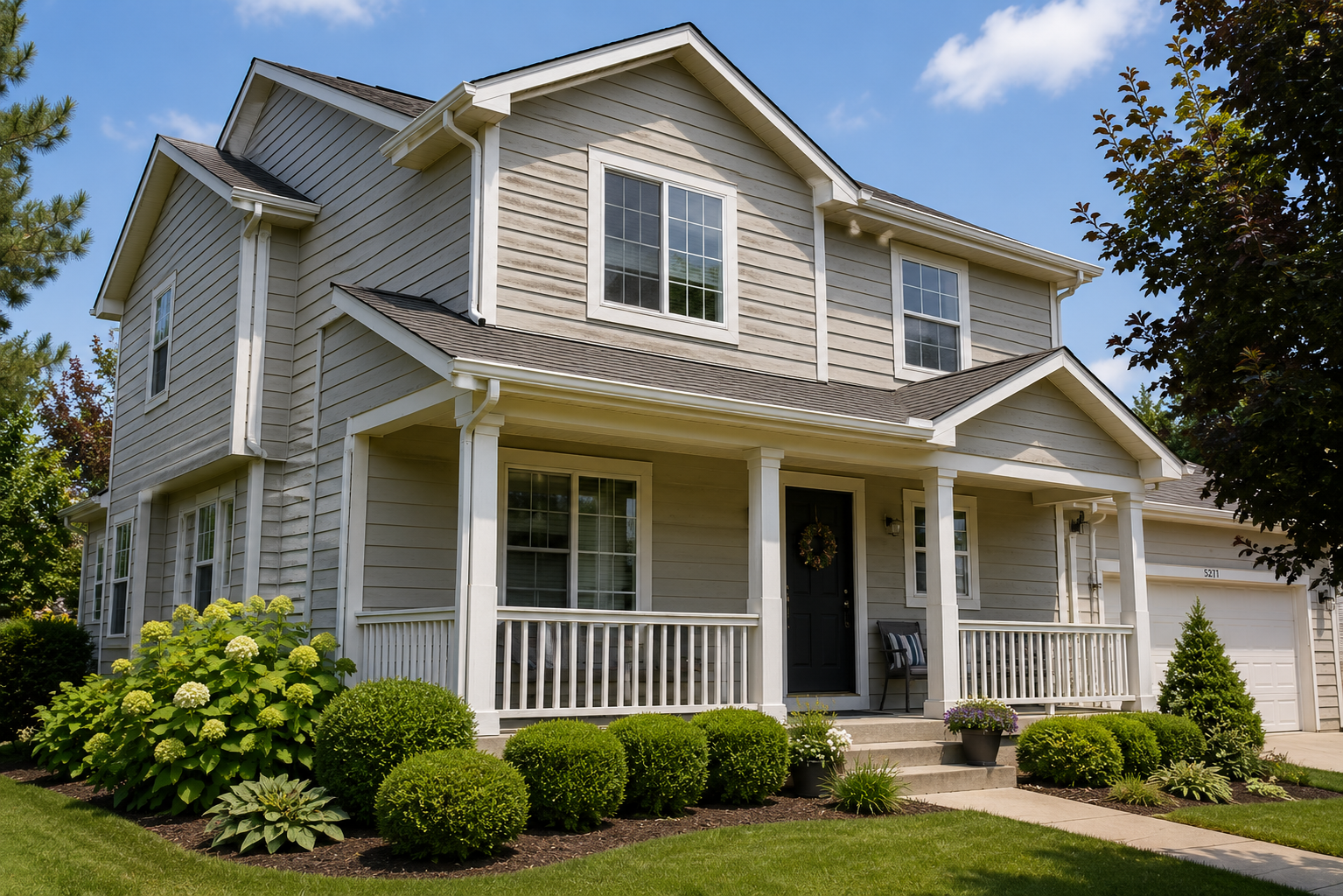
Many homes should be professionally evaluated once they reach the 8–10 year mark, even if there aren't obvious signs of failure yet.
A proactive repaint is often much less expensive than waiting until significant repairs become necessary.
The Best Time to Paint Isn't When the Paint Fails
One of the biggest misconceptions homeowners have is that they should wait until paint is peeling before considering repainting.
In reality, the best time to repaint is just before the paint system reaches the point of failure.
By addressing fading, chalking, cracking caulking, and other early warning signs, you can help protect your home from moisture damage, wood rot, and costly repairs.
If you're unsure whether your home's exterior is ready for another winter, we'd be happy to help.
At Northwest Specialty Painting, we provide free estimates and honest recommendations. If your home needs paint, we'll let you know. If it has more life left in it, we'll tell you that too.
Our goal is simple: help homeowners protect and love their homes for years to come.
Ready to Find Out if Your Home Is Due for Repainting?
Contact Northwest Specialty Painting today for your free exterior evaluation and estimate.


